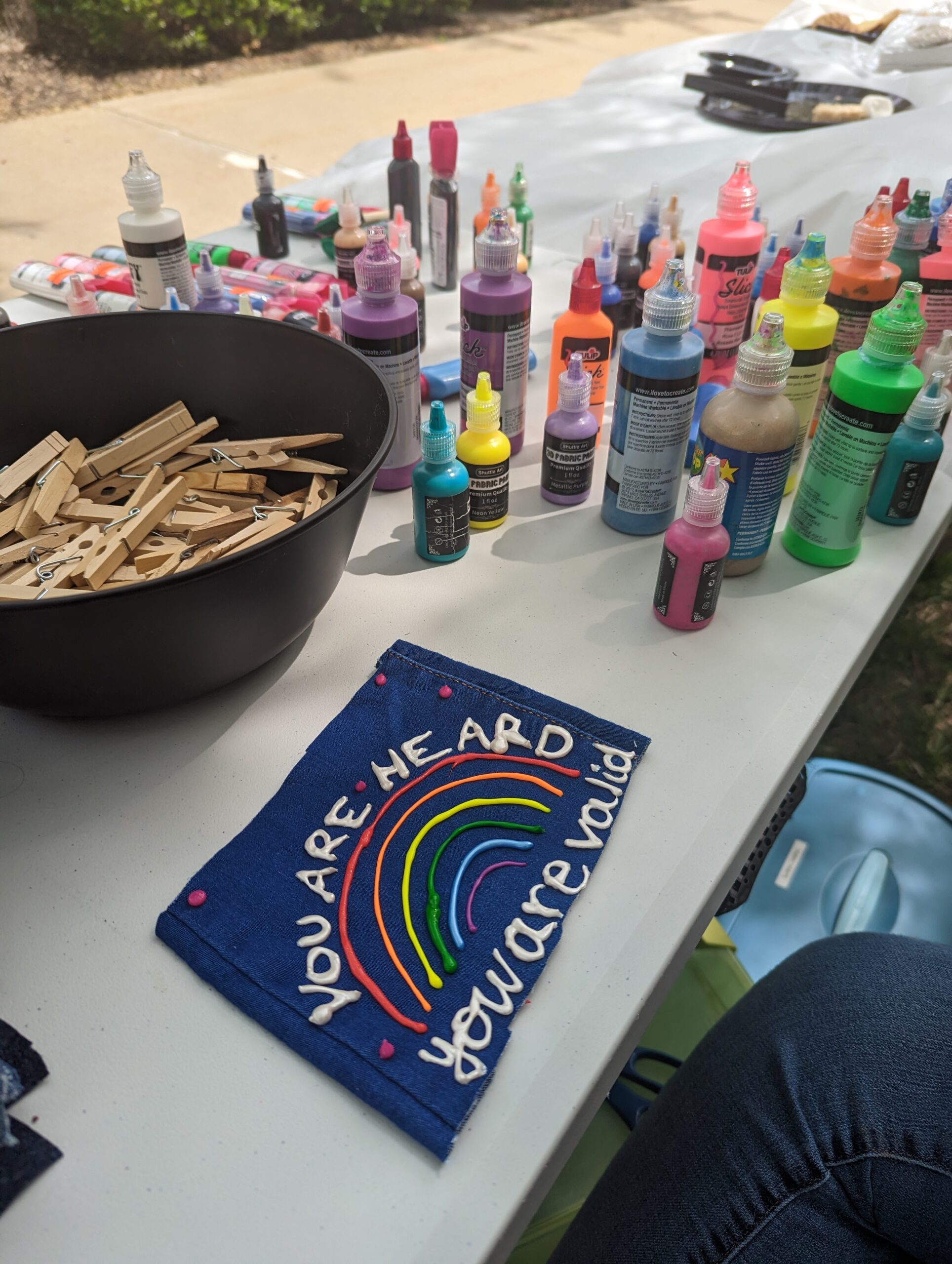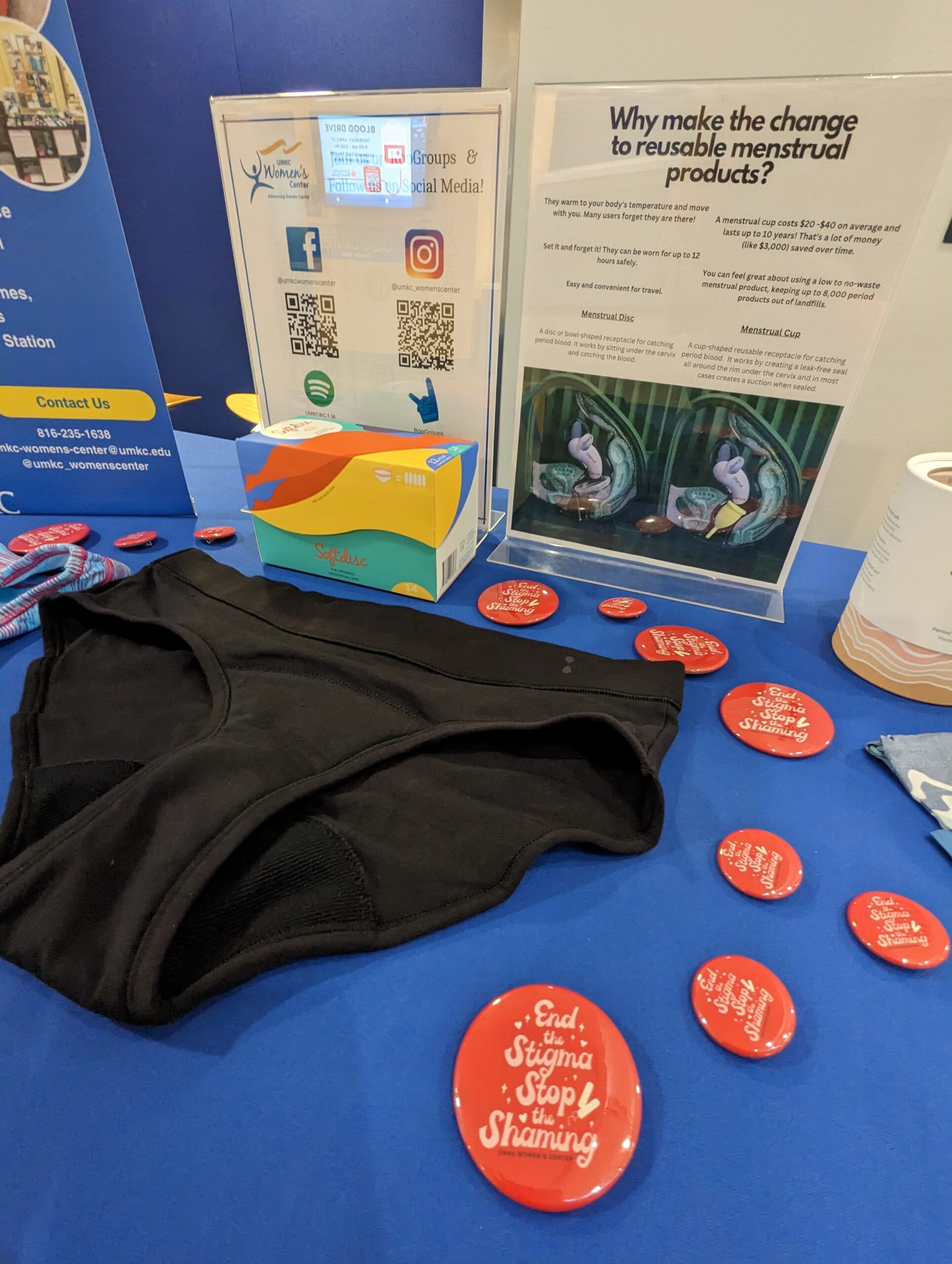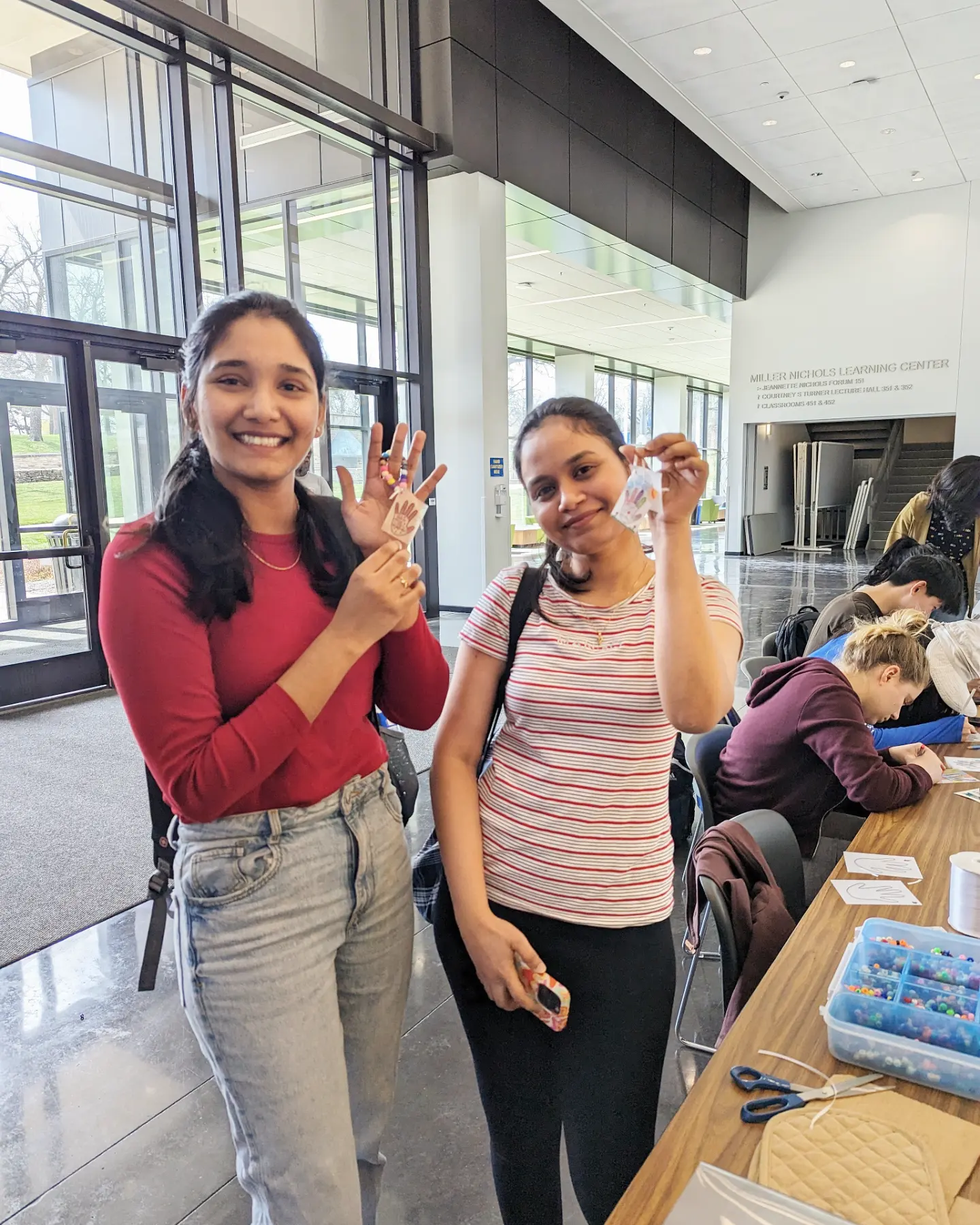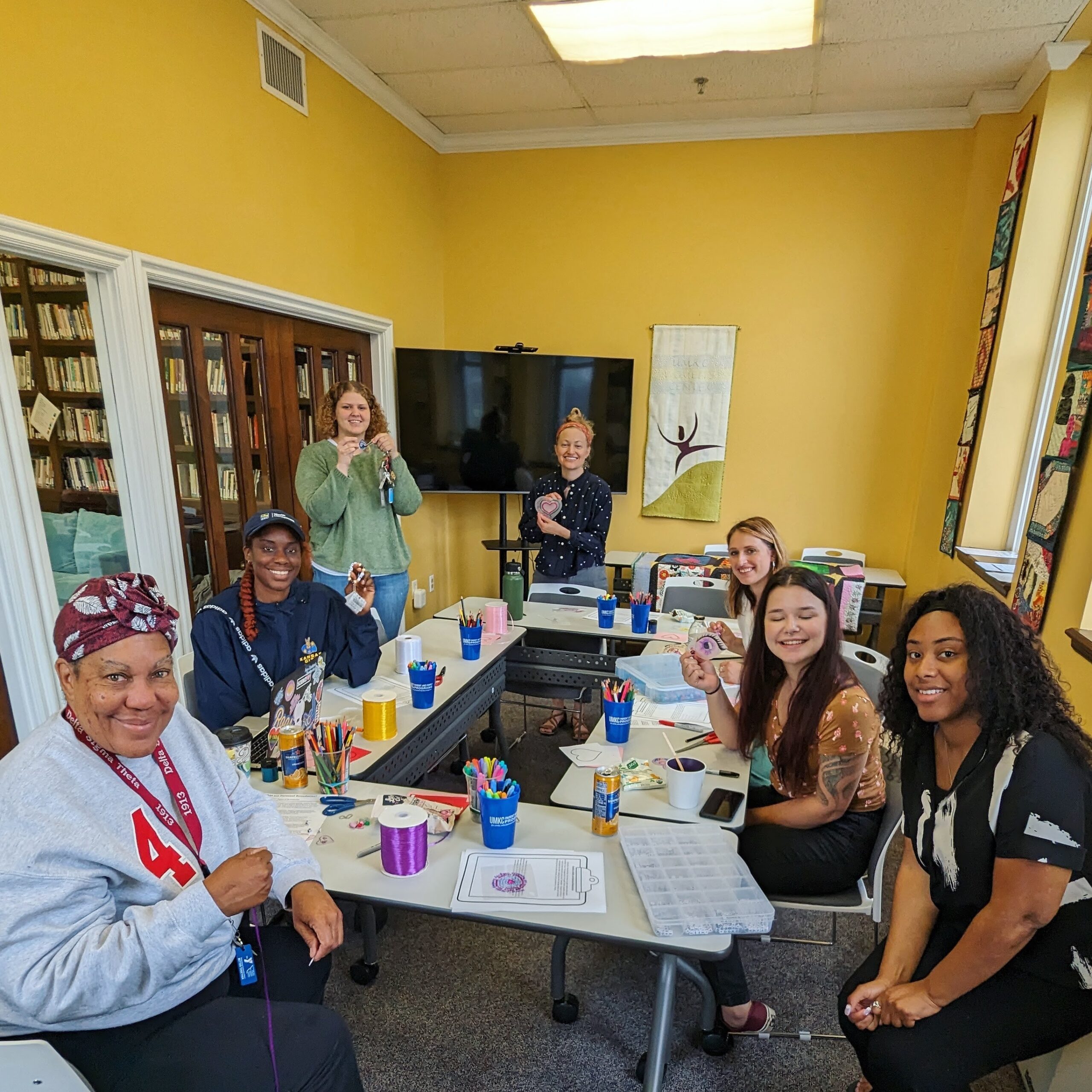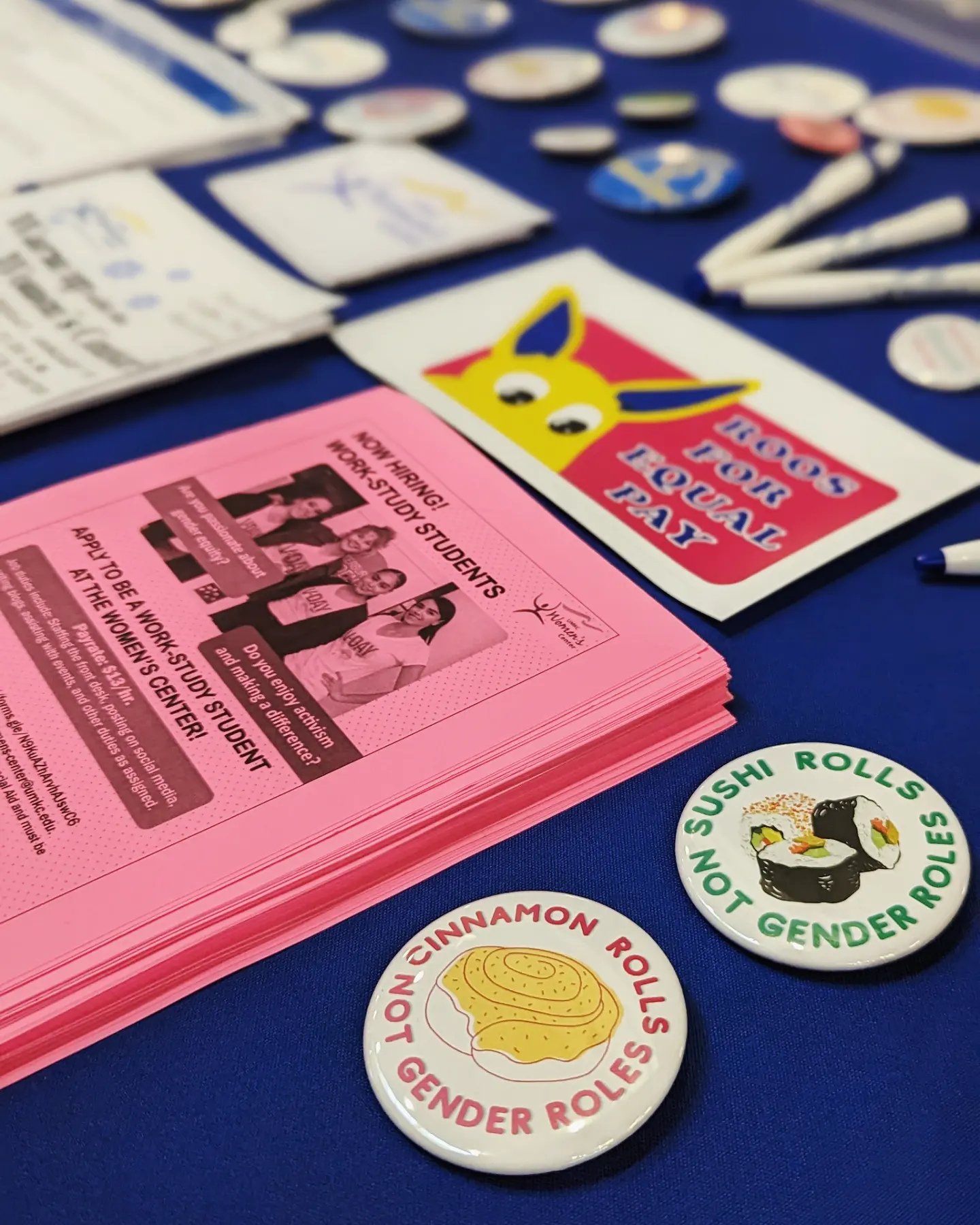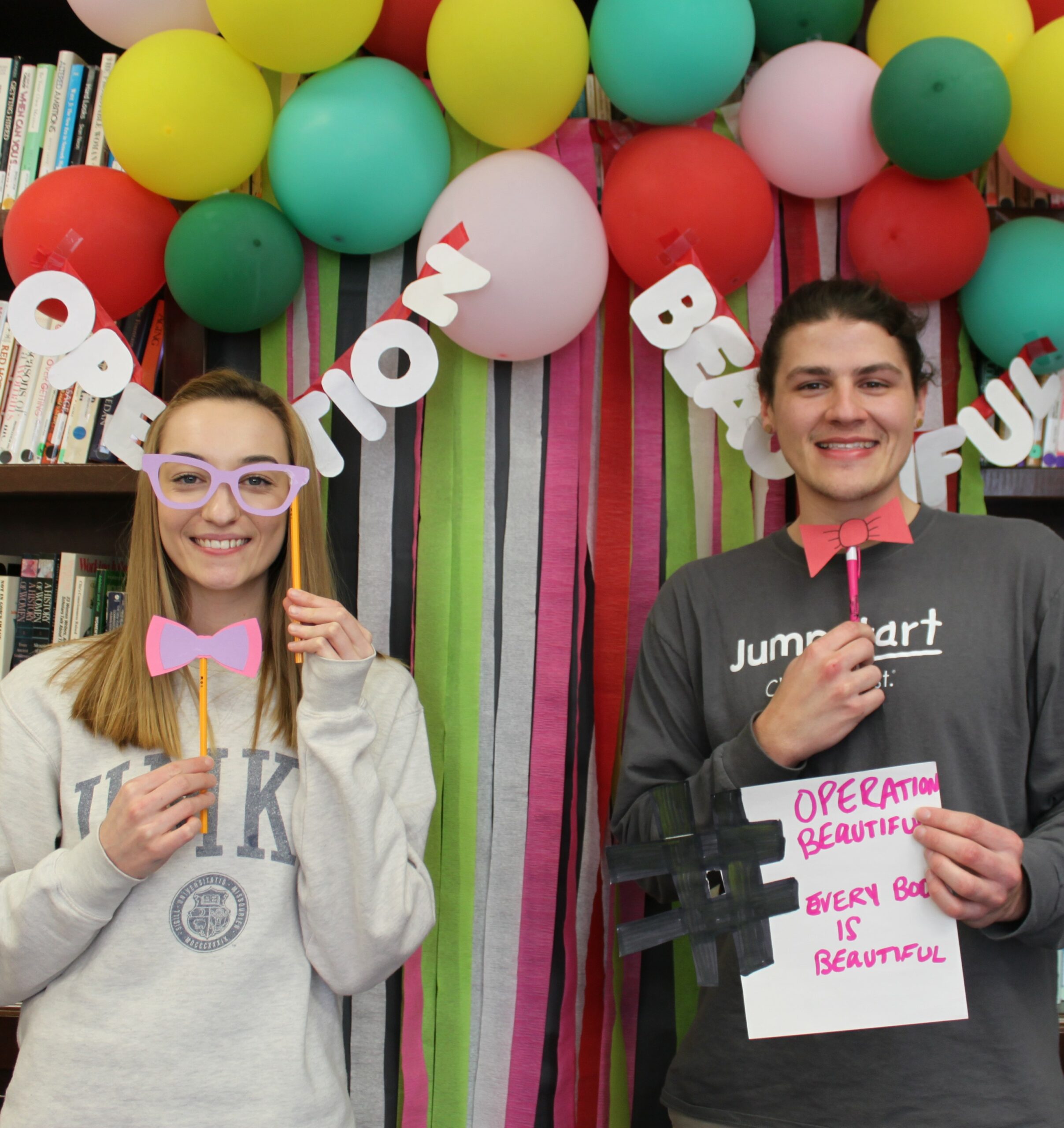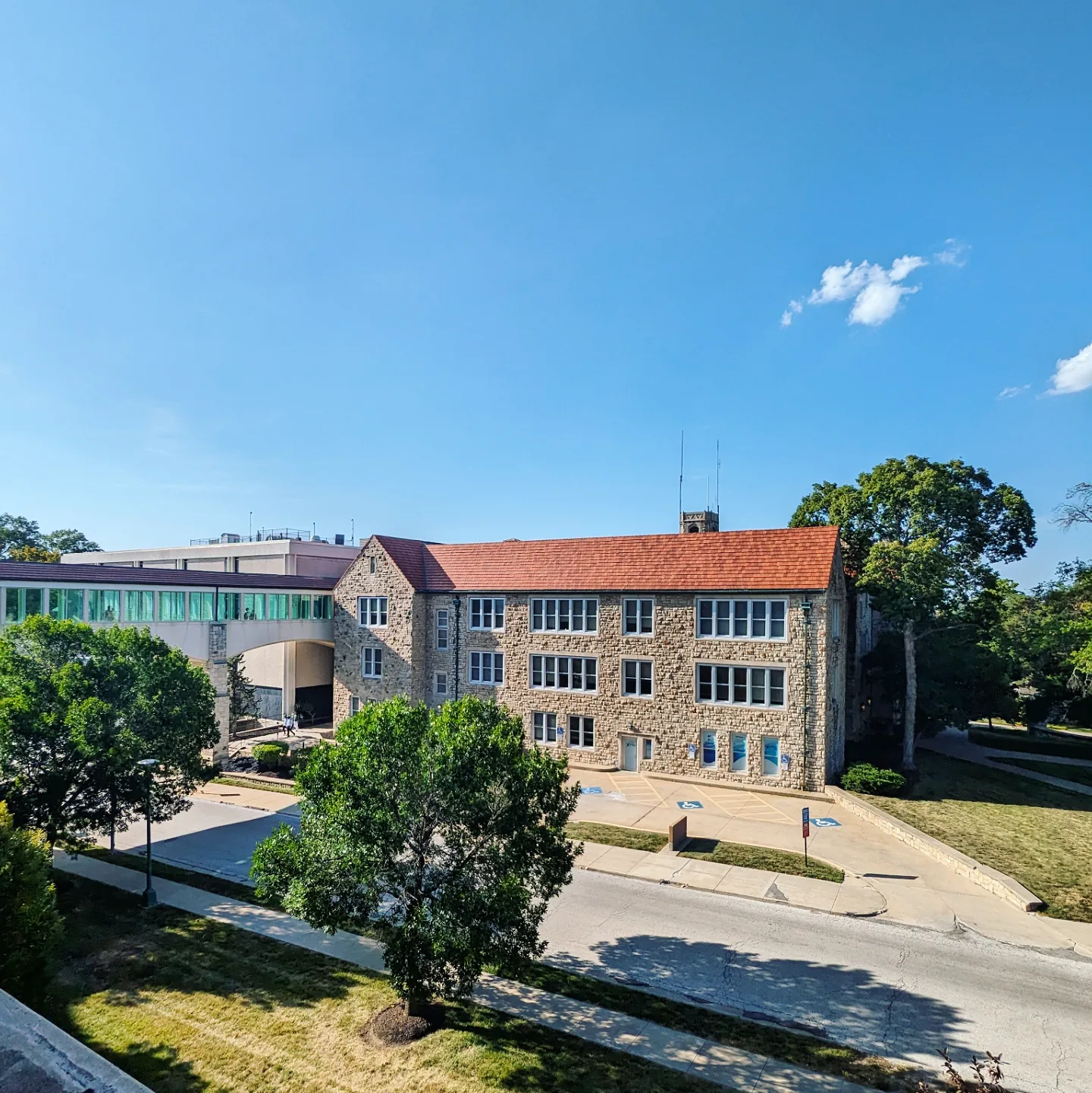

Welcome to the Women’s Center! For over 50 years, the UMKC Women’s Center has served as a voice for women’s experiences and advocates of gender equity. Our mission is to advocate, educate, and provide support services that aid in the advancement of gender equity both within the UMKC campus and throughout the greater Kansas City community. In support of our mission, we host many campus events, coordinate community programs, invite engaging speakers to campus, give presentations on gender issues, and provide students with opportunities to attend conferences, apply for scholarships, and find a welcoming and safe space on campus. Explore our website to learn more about what we do and be sure to come visit us in our corner of the quad, 105 Haag Hall. We hope to see you soon!
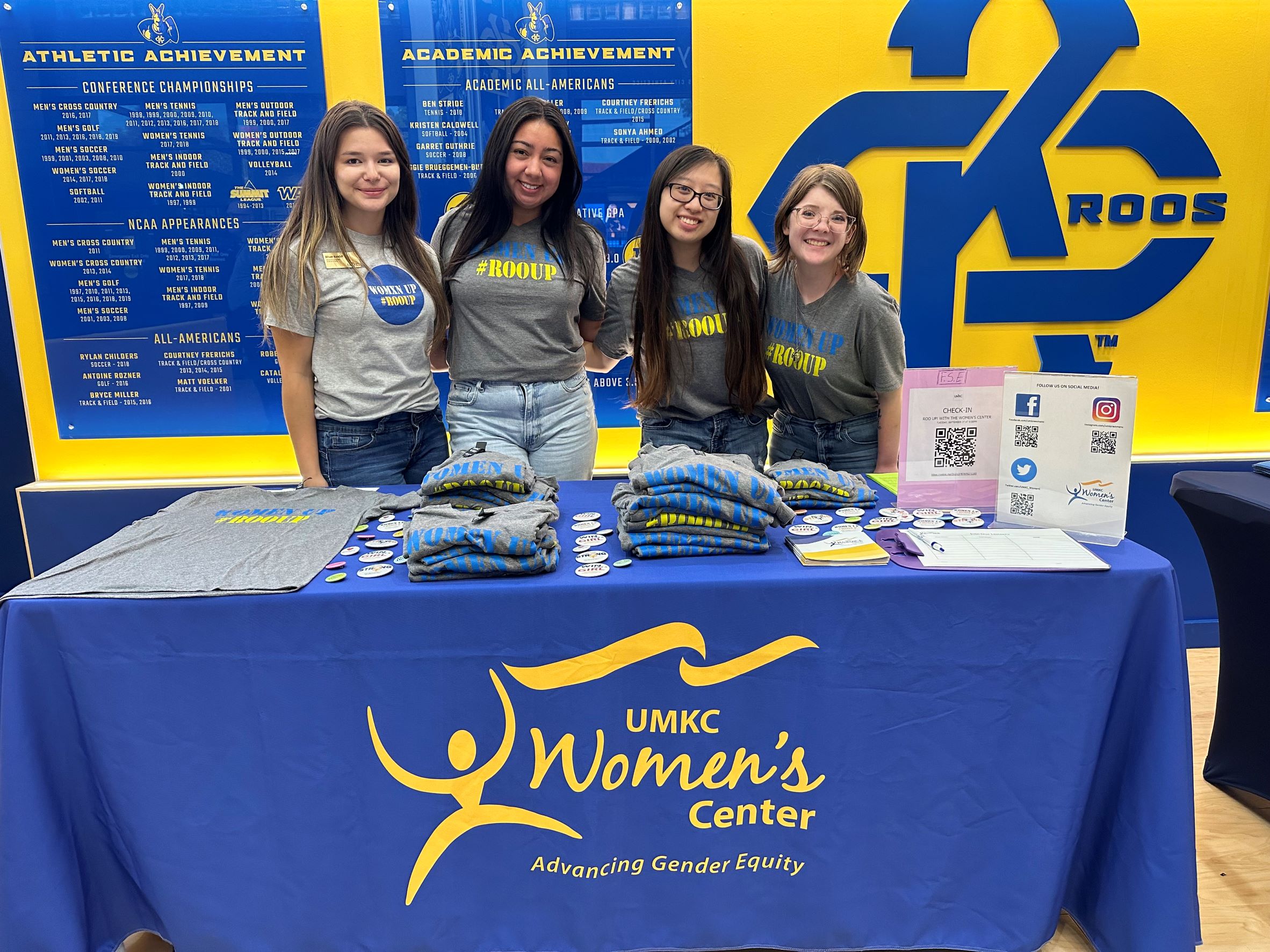
About Us
The Women’s Center is proud to serve the UMKC student body as a supportive and inclusive space on campus. We provide programming around gender equity and center women’s experiences in all that we do.
Campus and Community Resources
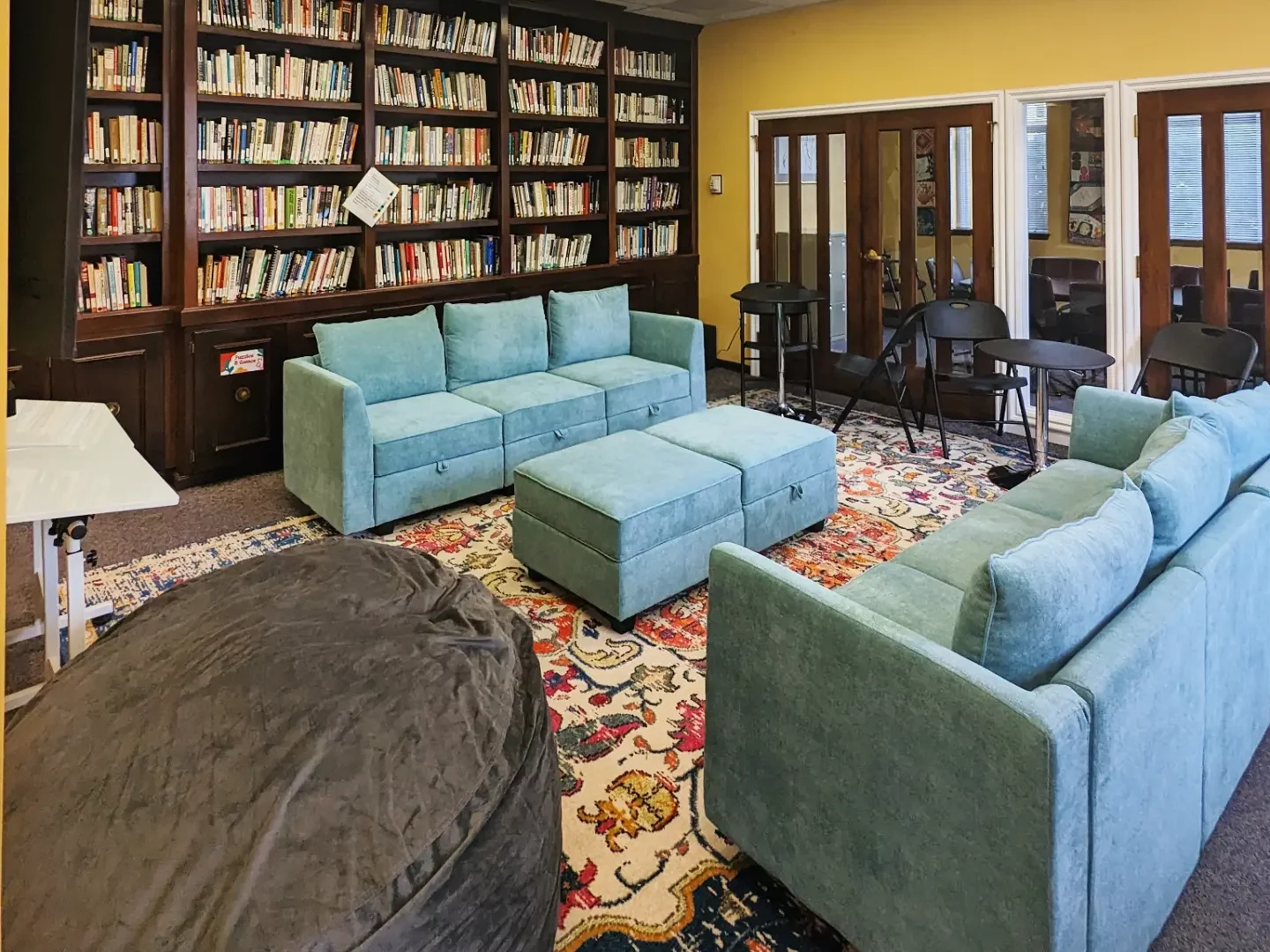
Come visit us in our bright, cozy corner of Haag Hall! We like to think of ourselves as the living room of the quad, where all students are welcome to hang out, make friends, and get the support they need. See a variety of services available both on campus and around the Kansas City Metro.
Upcoming Events
See what we have coming up!